Growing flowers responsibly
Our approach to sustainability
Growing flowers means working with nature. We depend on healthy soil, clean water, biodiversity and, above all, the knowledge and dedication of our people. Taking care of these resources is an essential part of how we work.
At Marginpar, sustainability is not a separate activity. It is part of the decisions we make every day, from developing new varieties and managing our farms to caring for our people and bringing our flowers to the international market.
Our approach is built around three pillars: Environmental, Social and Governance (ESG). Connecting all three is Hamuka, our company philosophy inspired by the Japanese principle of Kaizen. It encourages us to keep learning, reduce waste and find better ways of working. Small improvements, made every day, can make a meaningful difference over time.
100% FSI compliant
Since March 2026, all Marginpar flowers have met the requirements of the Floriculture Sustainability Initiative (FSI). This means that every stem we grow, on our own farms and those of our growing partners, comes from a farm certified against recognised environmental, social and good agricultural practice standards.
An important milestone, but certainly not the end of our work.
Your questions, answered
We understand that florists and other floral professionals increasingly want to know where their flowers come from and how they are grown. In our Sustainability FAQs, we answer some of the most frequently asked questions about our flowers, growing practices and supply chain.
Environment: working with nature
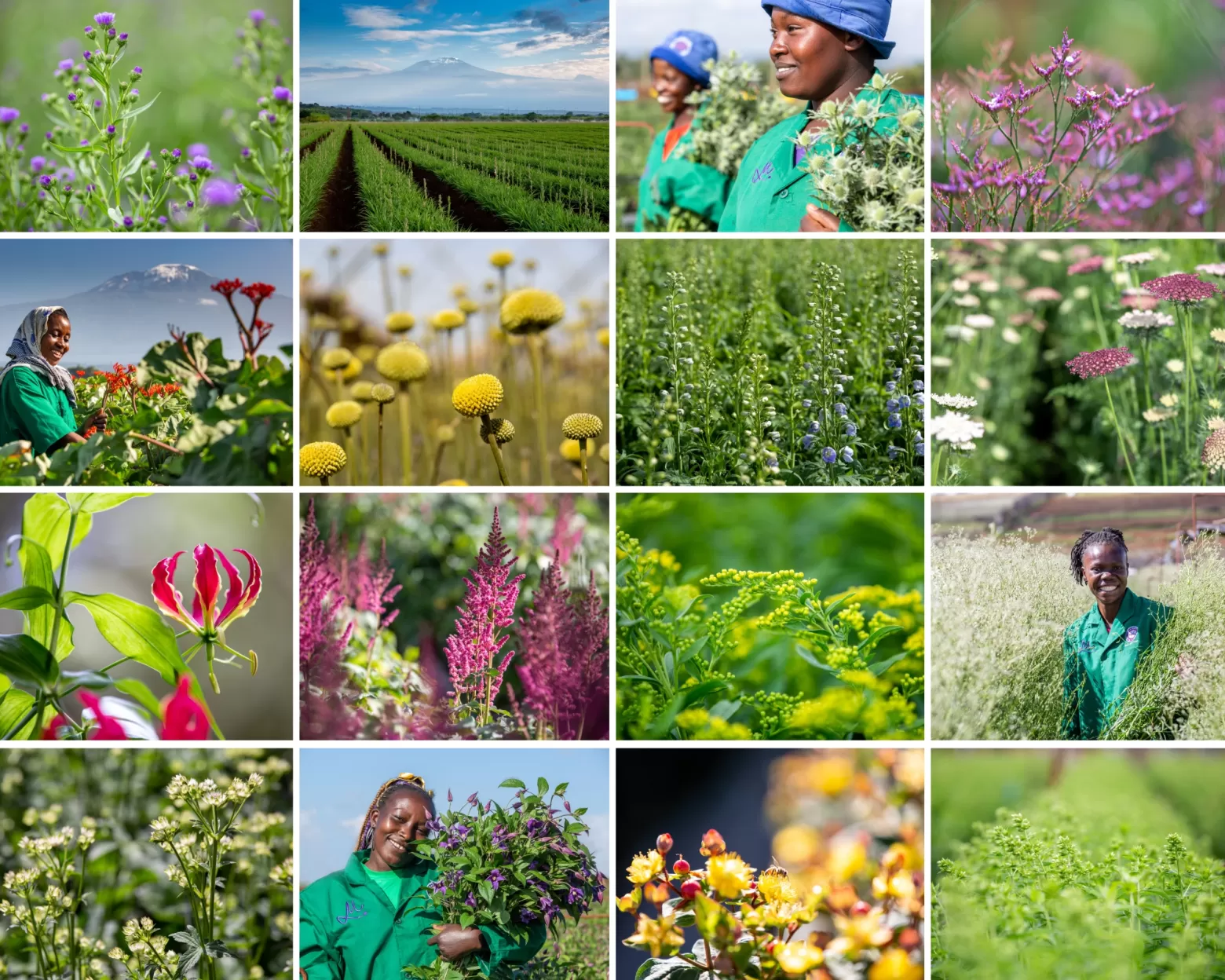
Our flowers grow in different landscapes across Kenya, Ethiopia, Tanzania and Zimbabwe. Each location has its own natural resources and growing conditions. Understanding, protecting and making careful use of these resources is fundamental to our long-term approach to flower production.
It all starts with the soil
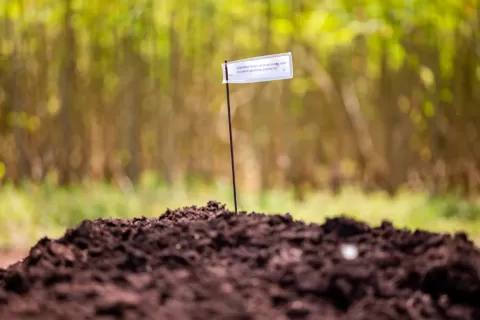
Healthy soil is the foundation of healthy flowers. Through composting, crop rotation, cover crops, vermiculture and the use of biochar, we work to improve soil structure and support the life beneath our feet.
A healthy, organic matter-rich soil can retain more water and nutrients, supporting plant development and resilience. Investing in soil health means investing in the future of our farms.
Making every drop count
Water is a valuable resource. We collect and store rainwater, monitor soil moisture and adapt our irrigation to the needs of our crops.
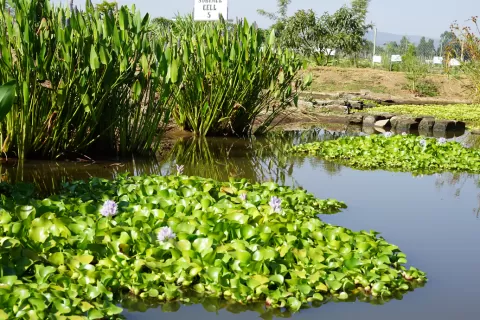
At our farms, constructed wetlands help us give water a second life. Using aquatic plants and natural biological processes, these systems treat wastewater so that it can be reused for irrigation. They also create habitats for a variety of plants, insects and other wildlife.
Making room for biodiversity
Our farms are home to much more than flowers. From insects and birds to frogs and other wildlife, biodiversity plays an important role in the natural balance of our growing environments.
Through our soil management, crop protection practices and the development of natural habitats, we work to support biodiversity both within and around our production areas.
Biology first, chemistry last
We use Integrated Pest Management (IPM) to protect our crops. By monitoring pest populations, introducing natural predators and using tools such as sticky traps and pheromone traps, we aim to prevent problems before they develop.
When additional intervention is necessary, we use targeted treatments. Our aim is to use biological solutions wherever possible and reduce our reliance on chemical crop protection.
Rethinking waste
What we consider waste today may be a valuable resource tomorrow. Organic material from our production processes can be turned into compost, water can be treated and reused, and materials can be given a second life.
Inspired by Hamuka, we continuously look for opportunities to reduce, reuse and recycle. By involving our people in this process, improvement becomes part of everyday life on the farm.
Energy and transport
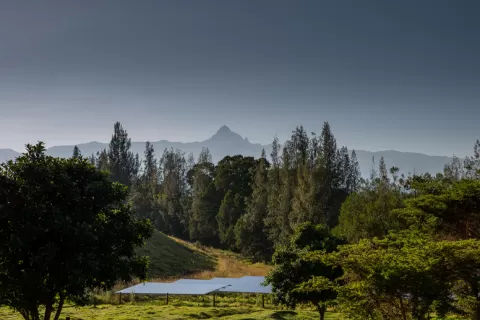
Growing flowers in East Africa allows us to make use of favourable natural temperatures and daylight, reducing the need for artificial heating and lighting. Where additional lighting is required, we use energy-efficient LED technology. We also make use of solar energy at our farms and Dutch office.
Transporting flowers from Africa to international markets remains an important part of our environmental footprint. We are working to optimise packaging, improve transport efficiency and explore alternative transport methods, including sea freight. These alternatives require careful testing. Maintaining flower quality and vase life is essential to reducing waste further along the supply chain.
Social: we grow our people, our people grow flowers
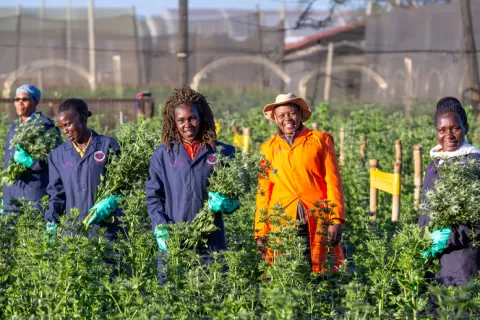
Behind every Marginpar flower are people. People who prepare the soil, care for the plants, harvest the flowers, develop new varieties and make sure every stem reaches its destination.
We believe that giving people the opportunity to grow is fundamental to the long-term development of our business.
Growing through Hamuka
Hamuka, adapted from the Japanese Kaizen methodology encourages our people to take ownership of their work, share ideas and actively contribute to improvements. Rather than relying solely on decisions made by management, we believe that the people closest to a process often have valuable insights into how it can be improved. Through training, collaboration and shared learning, we create opportunities for personal and professional development.
Health, safety and well-being
Providing a safe and healthy working environment is a fundamental responsibility. This includes access to protective equipment, safety training, healthcare, nutritious meals and clean drinking water.
We continuously work to improve working conditions and encourage our people to actively contribute to health and safety on our farms.
Equal opportunities
We believe that people should have the opportunity to develop their skills and progress in their careers, regardless of gender or background.
Women play an important role throughout our organisation, from flower production to management. 50% of our positions are held by women. By creating opportunities for learning and development, we aim to support an inclusive working environment.
Beyond the farm
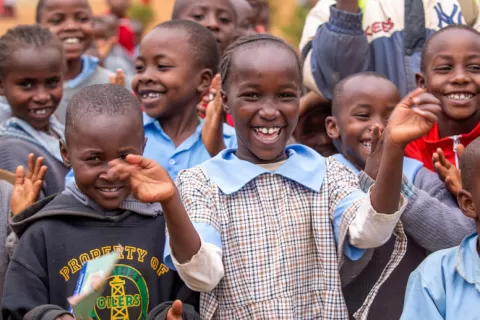
Our farms are part of local communities. Their development is closely connected to the development of the people and communities around them. Through local initiatives and the Marginpar Foundation, we support projects that contribute to education, infrastructure and community development. Our ambition is to share knowledge and create opportunities that have value beyond the boundaries of our farms.
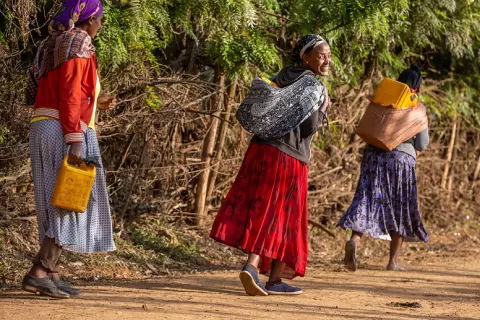
Governance: taking responsibility
Responsible flower production requires clear standards, transparent processes and accountability. Our approach to governance connects these principles to the way we operate our farms, develop our partnerships and make decisions as an organisation.
Going beyond compliance
Certifications provide an internationally recognised framework for responsible production. They help us monitor our performance, identify opportunities for improvement and provide transparency to our customers.
All our own and partner farms meet the requirements of the Floriculture Sustainability Initiative (FSI), covering environmental and social standards as well as Good Agricultural Practices (GAP).
Depending on the growing country and location, our farms hold certifications including Kenya Flower Council (KFC), MPS-ABC, MPS-SQ, MPS-GAP and GLOBALG.A.P.

The Kenya Flower Council (KFC) represents and supports the floriculture sector in Kenya. Its certification programme, the Flowers and Ornamentals Sustainability Standard (F.O.S.S.), assesses flower farms on three key pillars: the environment, people and good governance. The programme has two certification levels: Silver and Gold. Silver recognises farms that meet important standards for responsible agricultural practices, employee welfare, health and safety, and environmental management. Gold takes this a step further. It recognises farms that demonstrate a higher level of commitment to sustainability and social responsibility throughout their entire organisation.
The MPS label is divided into three parts. MPS-ABC for the Environment component (where A+ is the highest attainable); MPS SQ for the social component and MPS GAP for sustainable and safe farming practices.
GLOBALG.A.P. is a trademark and a set of standards for good agricultural practices (G.A.P.) for safe, sustainable agriculture worldwide. The GLOBALG.A.P. Flowers & Ornamentals Standard.
Take a closer look
Sustainability is best understood by seeing what happens in practice. From the life beneath our soil to the people who grow our flowers, we invite you to take a closer look at our world.
Ask Marginpar
How do we protect our flowers from pests? What happens to the water we use? And why is healthy soil so important? In our Ask Marginpar video series, our colleagues take you into the fields and explain the processes behind our flowers.
Watch the Ask Marginpar series on our Youtube channel.
Growing flowers responsibly: our ESG brochure
Discover how our approach to environmental, social and governance responsibilities translates into everyday practices across our farms.
International standards
We strive to align our operations with internationally recognised standards and guidelines, including:
- The Performance Standards of the International Finance Corporation
- The Environment Health and Safety Guidelines of the World Bank
- The International Labour Organisation Labour Standards
- The EIB Environment and Social Standards
- The International Bill of Human Rights
Growing through partnerships
Long-term relationships are an important part of the Marginpar story. We work closely with our growing partners, breeders, suppliers and customers, sharing knowledge and taking responsibility for our respective roles in the supply chain.
By working together, we can identify challenges, develop solutions and contribute to the further development of the floral industry.
Always room to improve
We know that responsible flower production comes with challenges. Some have solutions we can implement today, others require further research, investment and collaboration. By sharing what we do, what we learn and where we see opportunities for improvement, we hope to contribute to an open conversation about the future of floriculture.
For us, there is always something new to learn and something we can do better.