She is Empowered
Four personal stories from our flower farms in Kenya, about training, mentorship, and growing into management
Back to storieshe first step into management is often the hardest one. For many women, it is not a lack of ambition or ability. It is a lack of opportunity, visibility, and the practical support that helps a career move forward.
Scroll down to find Angeline's, Catherine's, Agnetta's, and Esther's stories.
Across our Kenyan farms, women make up almost half of our workforce. However, in higher management roles, men still hold a larger share of positions. There is no quick fix for that. We are working to change this by making opportunities clearer for women, supporting development in a structured way, and ensuring responsibility is shared fairly over time.
In this series, we are sharing four personal stories from colleagues who have grown into leadership roles. They describe what helped, what was difficult, and what they are still working towards.
What development looks like in practice
Development does not happen through one programme alone. In two of the stories in this series, colleagues were mentored by colleagues and their progression came through day-to-day development at work.
In practice, that includes:
- Clear role profiles, so people understand what the role requires and what good looks like.
- Individual development plans, where colleagues map strengths and gaps, and agree practical steps with their manager.
- Mentoring and coaching, to build confidence and judgement, not just technical skill.
- Acting responsibilities when someone covers during leave, which helps people gain experience in real situations.
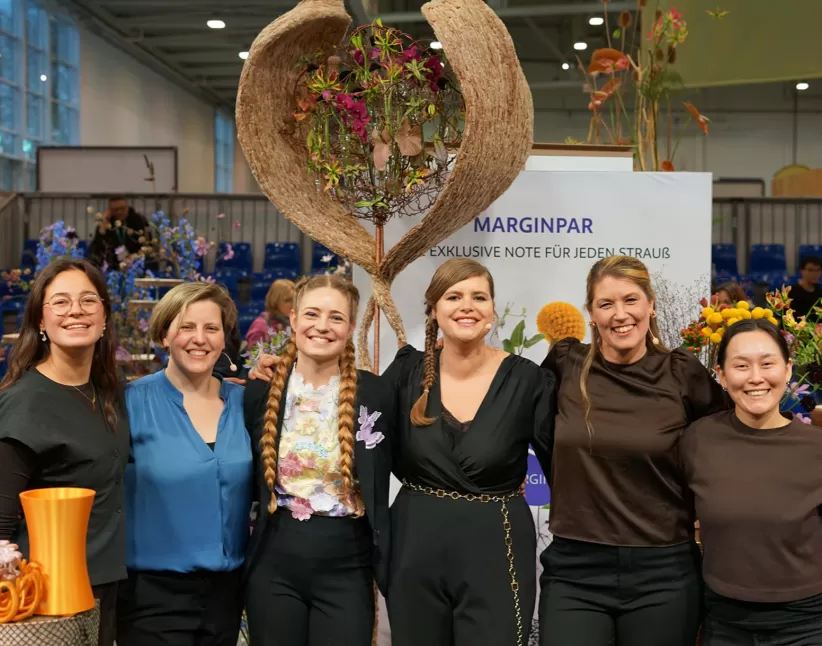
An additional option that we started with last year is for colleagues to follow the Female Future Leadership Programme, delivered in Kenya through the Federation of Kenya Employers (FKE) in collaboration with the Confederation of Norwegian Enterprise (NHO). It focuses on leadership, communication and board competence.
So far, four women at Marginpar have taken part with the support of Norfund as a sponsor. This year, three more women are planned to join the next cohort.
The programme is a starting point. What matters most is what happens next, how learning is used on the job, and how mentoring and real responsibility make progression visible and achievable over time.
Four personal stories
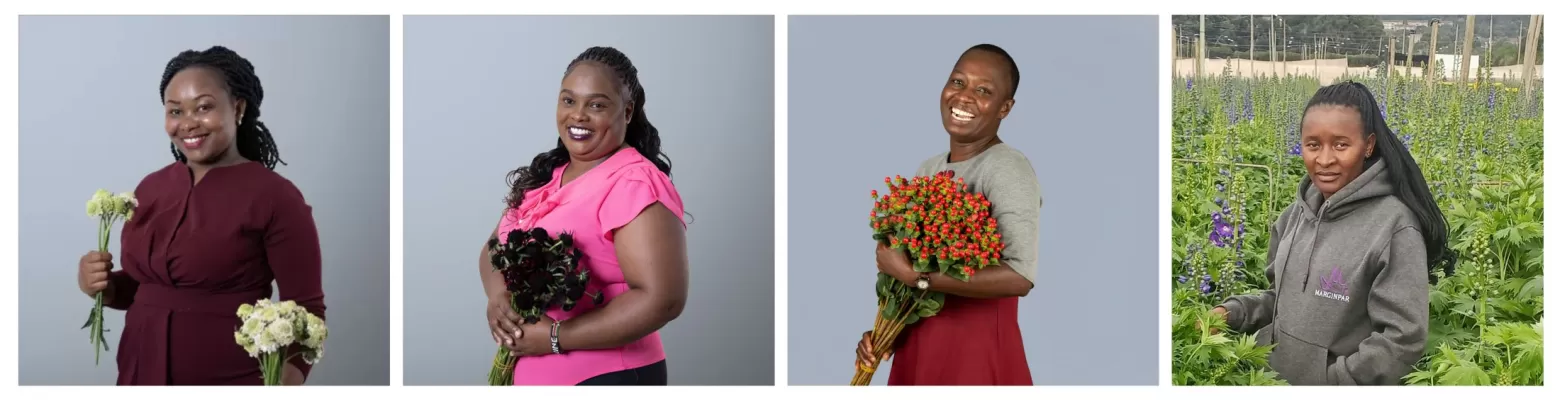
Angeline's story - Post-Harvest Manager
From starting “green” to leading post-harvest operations. Angeline’s journey shows how continuous improvement (Hamuka), fair opportunity, and strong mentorship help people grow into responsibility, and bring others with them.
Catherine's story - Senior HR Manager
From HR Manager on one farm to senior responsibilities across farms. With practical development, a leadership programme, and strong mentorship, she has built the confidence and judgement needed for decisions that shape people and operations.
Agnetta's story - Senior Hamuka Manager
Agnetta nearly turned down the Female Future Programme. She felt nervous about being stretched and about stepping into something bigger. Saying yes became a turning point. Her journey shows how senior leadership often means working differently: stepping back, thinking strategically, and leading with presence.
Esther's story - Assistant Production Manager
Esther started as an intern and moved into leadership step by step. Her journey crosses departments, training, and teams, including leading a maintenance team of forty men. For her, empowerment means getting the chance to prove yourself in real conditions, with clear expectations and support.