Clean-up starts before anything is thrown away
What can we do before something needs cleaning up at all?
Back to storiesn 20 September, World Cleanup Day draws attention to something very visible: materials ending up where they do not belong. Around the world, people come together to clean up public spaces and put waste back where it should be.
On our farms, that makes us think about a question that starts much earlier.
What can we do before something needs cleaning up at all?
For us, waste management is not mainly about what happens at the bin. It starts with how carefully we use materials, whether something can have another purpose, and what needs to happen when it really has reached the end of its useful life.
And, as with most things on our farms, we are always finding ways to improve.
Plastic is part of the conversation
For many florists, waste immediately brings one material to mind: plastic.
We understand why. Plastic is visible throughout the flower chain, and it is one of the materials we also have to manage carefully on our farms.
We separate plastics where they arise and keep them apart from other waste so they can go to an approved recycler or recovery facility. But our first question is not simply whether something can be recycled. We also look at whether we can avoid using it, use less of it, or use it again safely before it becomes waste.
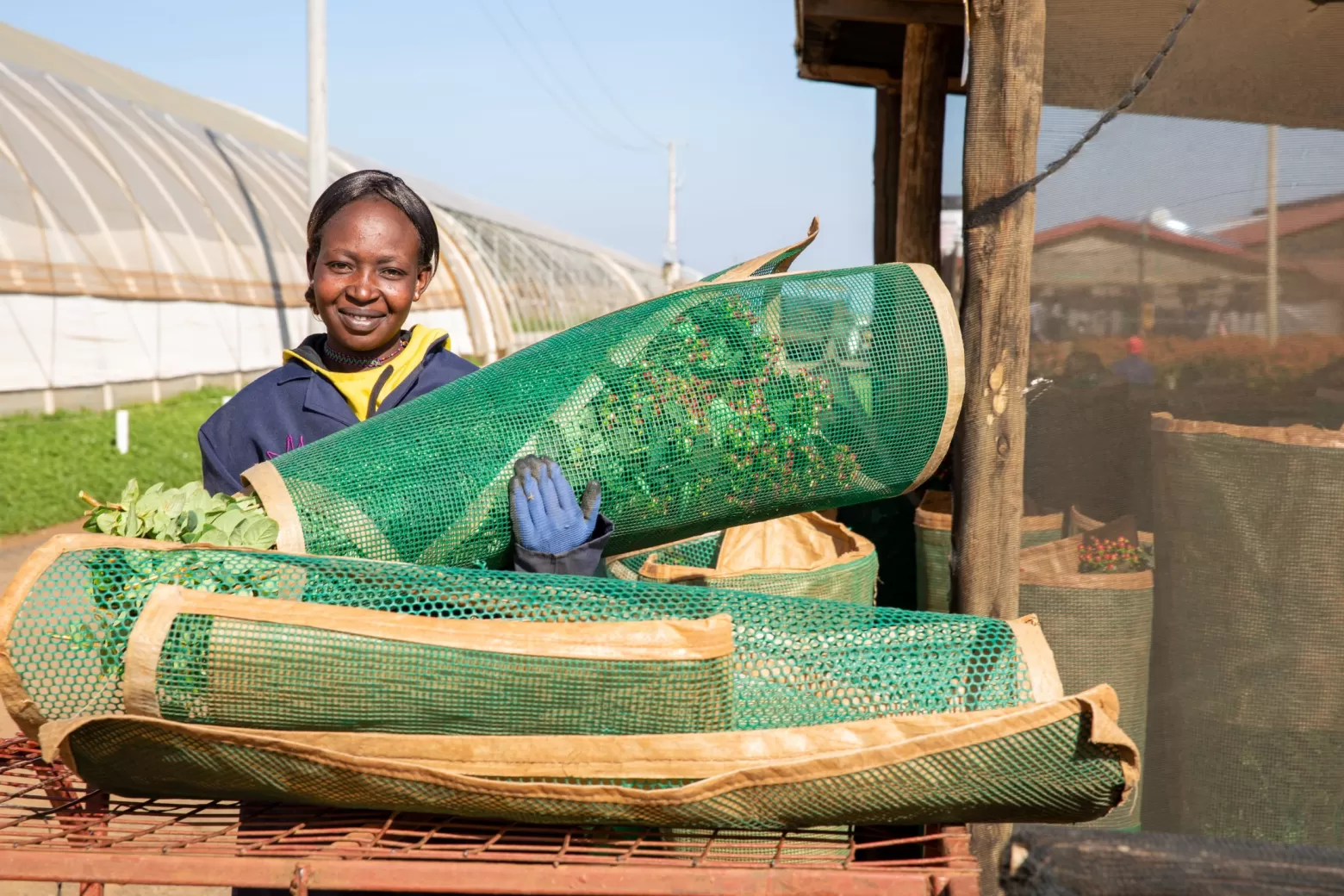
That is an important distinction for us. Recycling matters, but it comes after reduction and reuse. The aim is not simply to deal with plastic once it has become waste, but to keep looking at where we can prevent that waste in the first place.
Before we call something waste
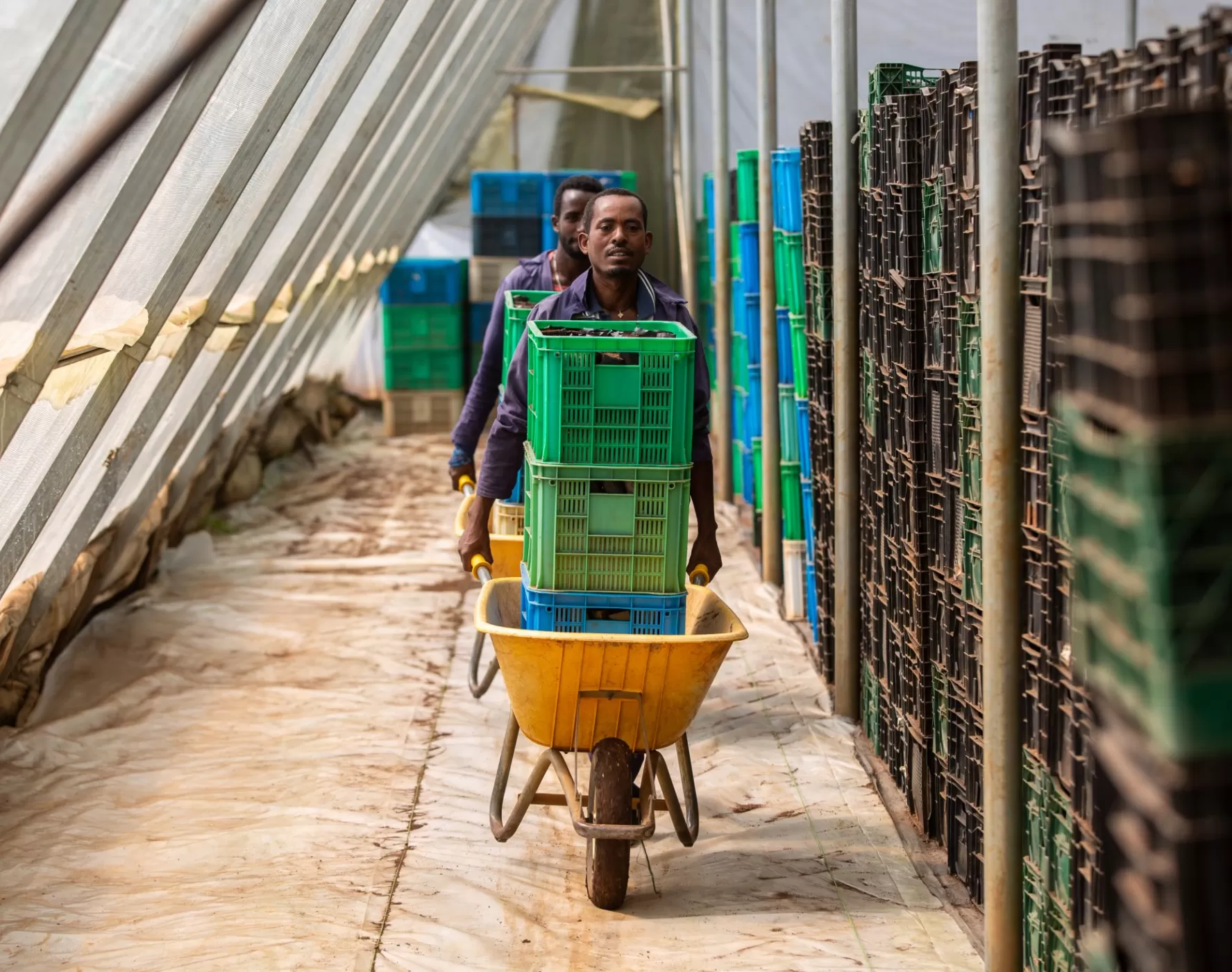
Growing flowers naturally leaves plant material behind. But a stem, leaf or cutting does not necessarily have to become something we simply dispose of. On our farms, plant material is composted and returned to the soil, where it contributes organic matter and helps us build healthier, more resilient soils.
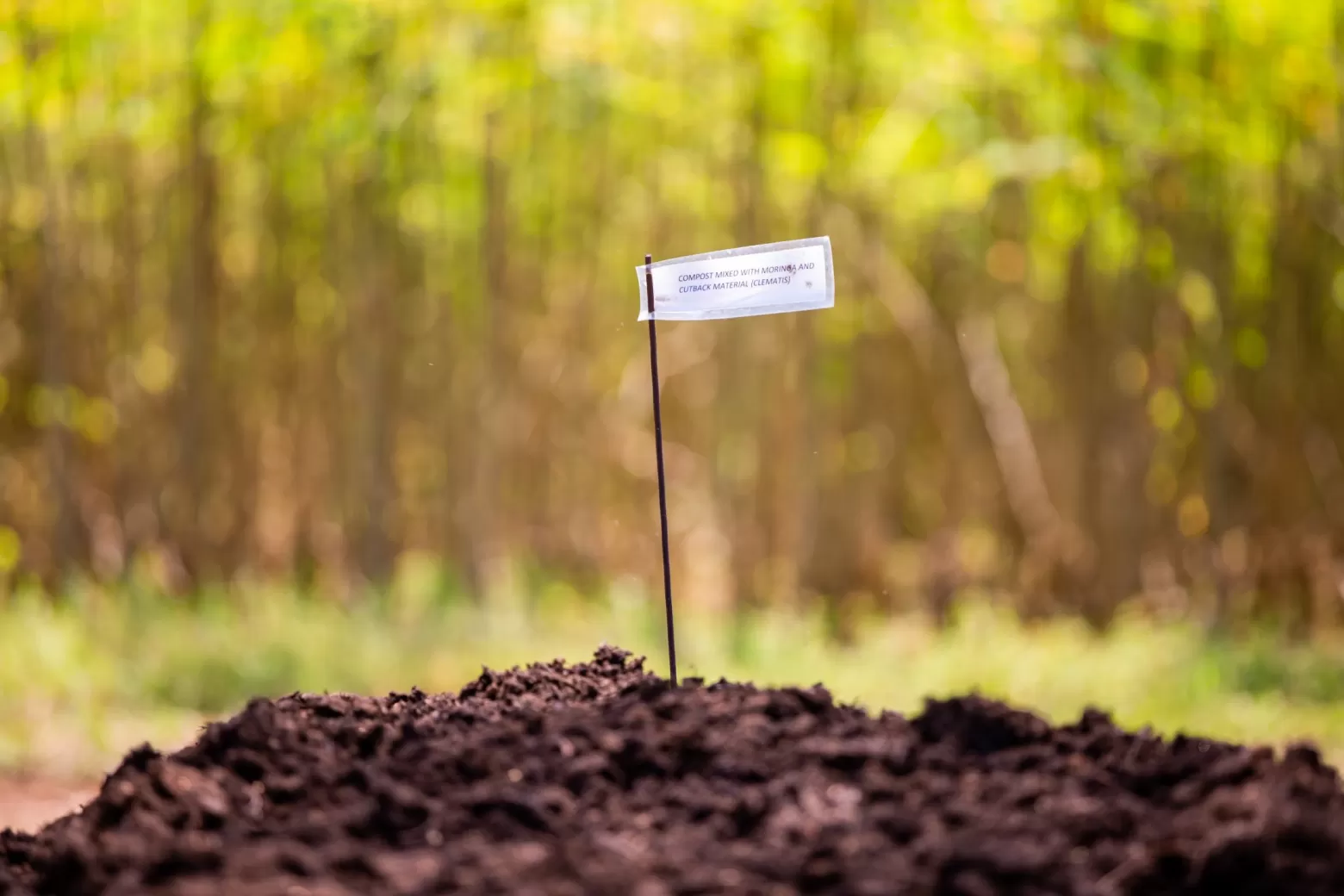
There is something quite logical about that cycle. What grew from the soil can become part of caring for that soil again.
Of course, making that work starts with separating materials properly. Once plant material becomes mixed with plastics or other materials, recovering it becomes much more difficult. So the useful part of composting actually begins much earlier, with everyday choices made by our teams.
We have written much more about what happens after the compost reaches the field in Nurturing our soil for sustainable flowers. And for those who like to dig a little deeper into the compost itself, we explain more in Growing better.
Sometimes the next use is less obvious
Not every second life is quite as neat as plant material returning to the soil.
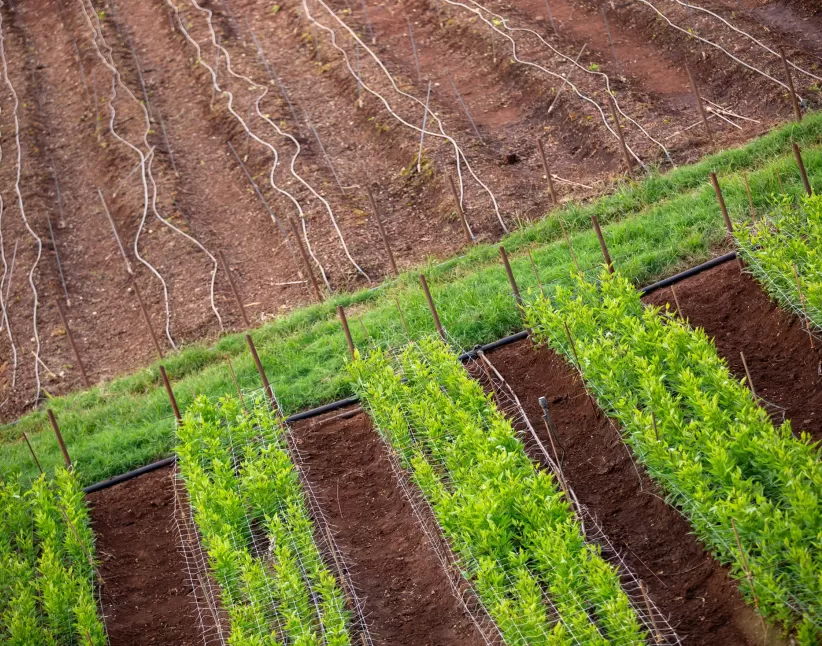
Across Marginpar, we look for practical opportunities to use materials for longer. Old drip-irrigation lines, for example, have been reused as supports for flowers. Through our 5S way of working, materials that appear redundant are first put aside rather than immediately discarded. If they genuinely have no further use on the farm, some can find another purpose elsewhere.
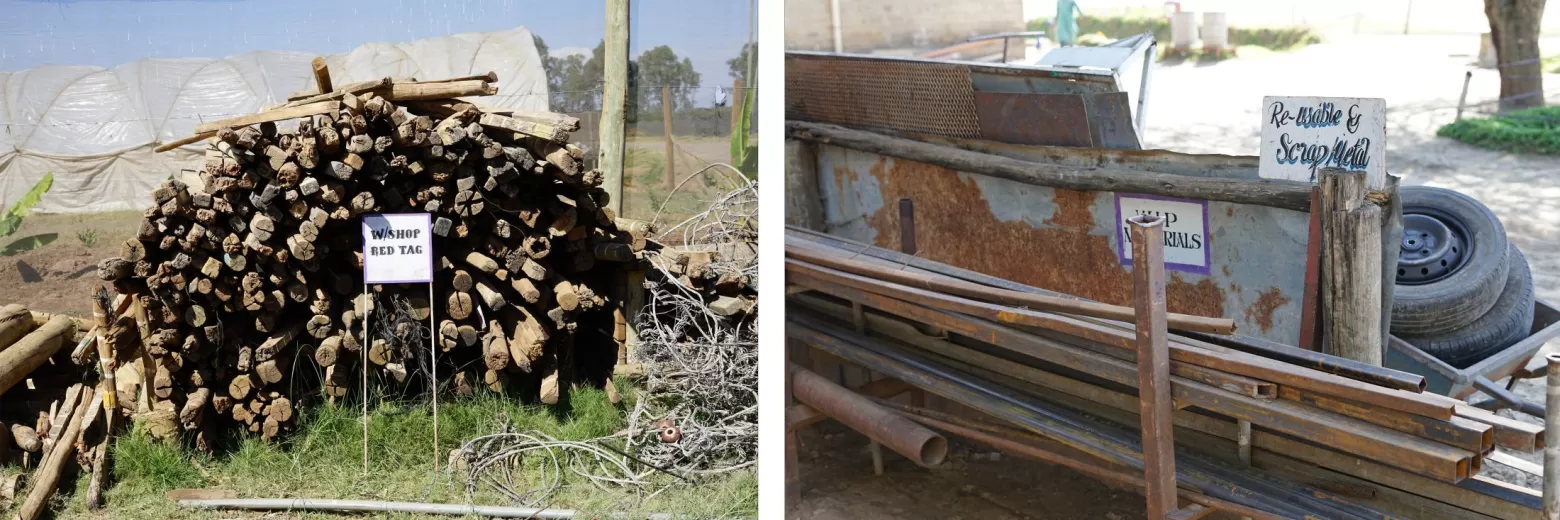
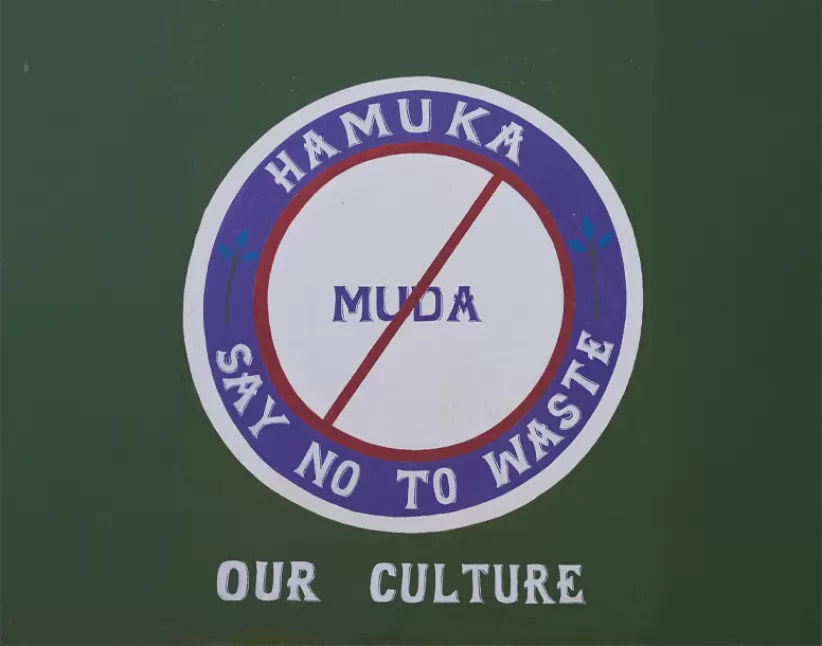
This way of looking at materials fits closely with Hamuka, our people-centred way of working inspired by the Japanese Kaizen philosophy of continuous improvement.
Hamuka has been part of Marginpar since 2012. An important part of it is that the people doing the work take ownership of their processes and keep looking for ways to make them better.
Waste is a natural place to apply that thinking. Can we use less? Can something be used again? Can it be separated better so that it can be recycled? Sometimes the improvement is small. But small changes, repeated across a farm and over time, are how working practices change.
Water can make the journey too
The same thinking extends beyond solid materials.
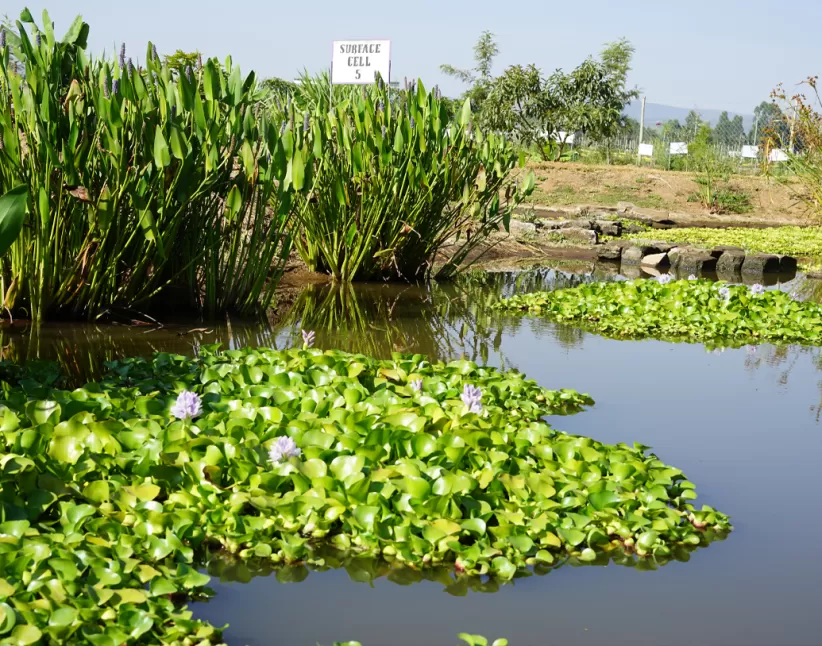
Water from packhouses, canteens and other parts of our farms also needs somewhere to go. On our own farms, constructed wetlands help us treat waste water using natural processes involving plants and microorganisms. The treated water can then be reused to irrigate the flower fields.
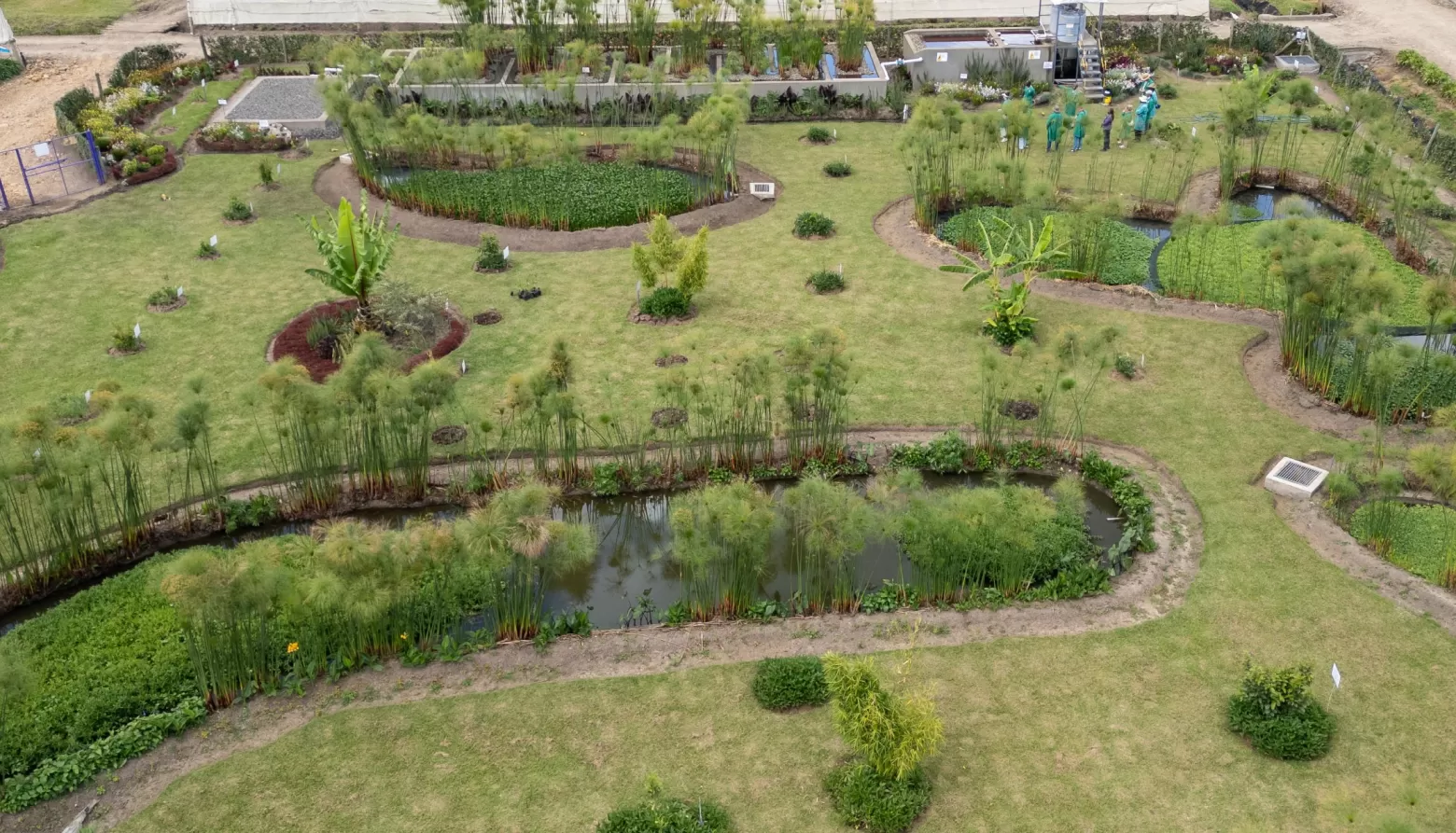
Here too, what might otherwise be seen simply as a waste stream becomes something we can bring back into use.
The wetlands deserve a story of their own, and fortunately they have one. You can see how the system works in Constructed wetlands.
But not everything should come back
Circularity sounds appealing, but there are materials where reuse is exactly what we do not want.
For example, empty crop protection product containers are kept separate from ordinary plastics and made unsuitable for reuse. Medical waste from the farm clinic follows a controlled route. Used oils from the workshop are stored carefully so that they cannot leak into the soil or water.
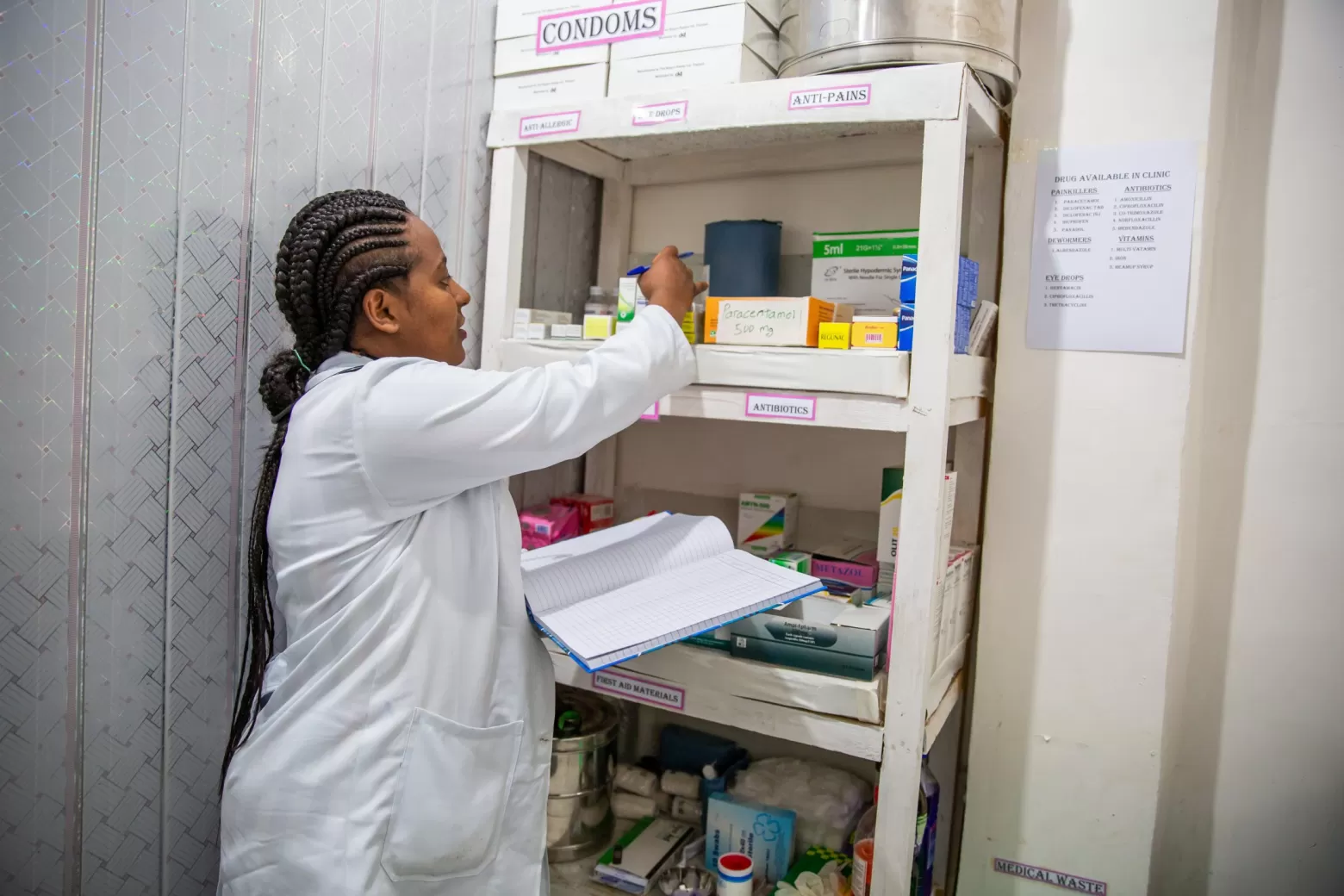
These materials need specialist handling, and that is where another part of our responsibility begins.
When specialised waste leaves the farm, we do not consider the job finished. We always check that the companies transporting and treating it have the appropriate licences and keep records so we can follow what happens to the material after collection.
The farm gate should not be the point at which we stop asking questions.
The clean-up is never really finished
World Cleanup Day is a useful moment to focus attention on waste. But for us, the more important work happens on all the ordinary days around it.
It happens when someone puts plant material in the right place so it can become compost. When a colleague spots an opportunity to reuse something instead of replacing it. When waste water makes its way through a wetland and back to the fields. Or when a waste contractor's licence is checked before a collection takes place.
We have not found a next use for everything, and we do not expect to. Some materials need safe treatment or disposal, and recycling options also depend on the infrastructure available where we grow.
That is precisely why we keep looking.
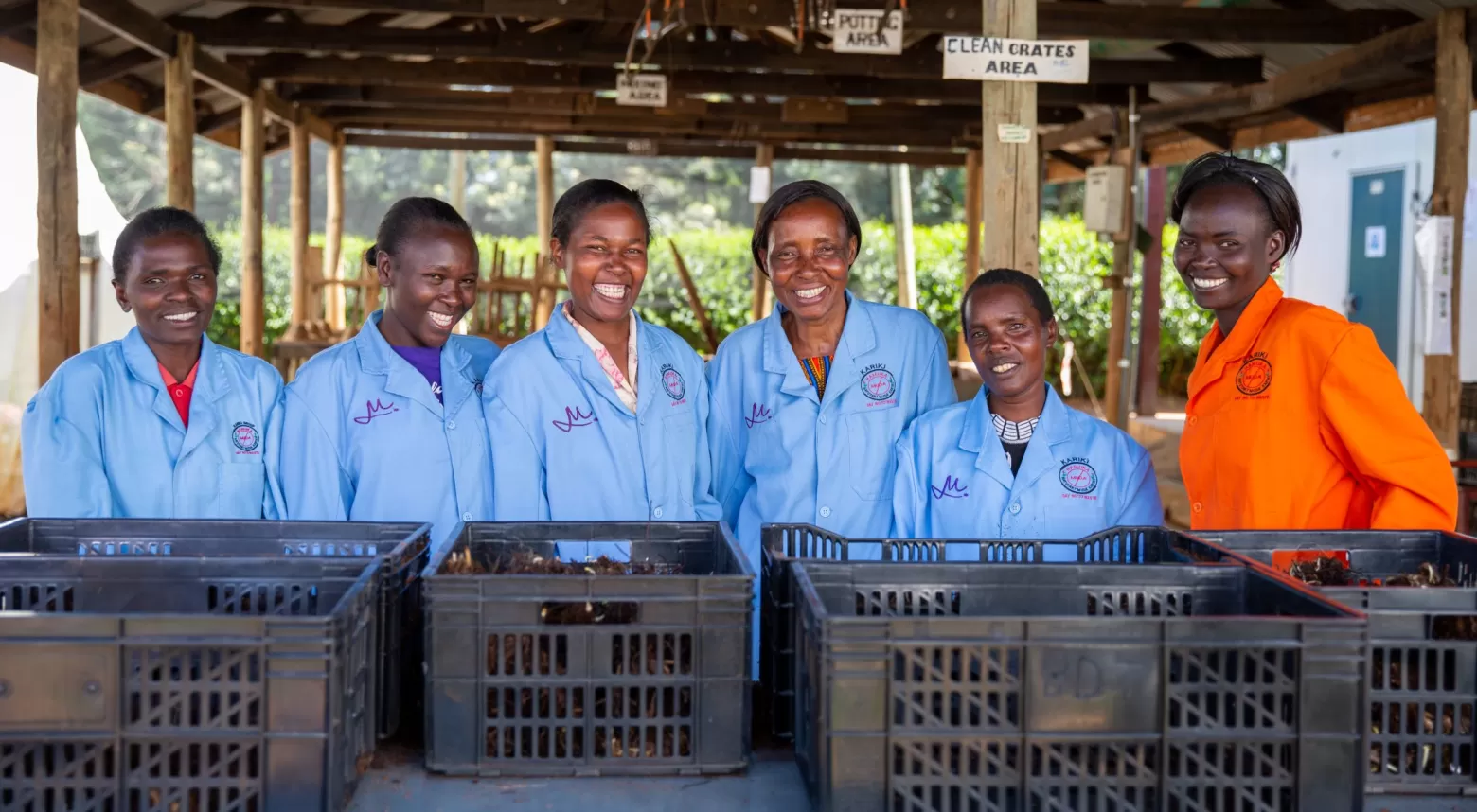
Hamuka teaches us not to see today's way of working as the final answer. We reduce where we can, reuse where it makes sense, separate carefully and keep asking what the next improvement could be.
So perhaps, for us, World Cleanup Day is not only about cleaning up.
It is also a reminder to keep giving ourselves less to clean up in the first place.